
A plateau, two massifs and eight hundred kilometres of coast
The Calabrian mountains are not a backdrop: they are a third of the region, and they rise to two thousand metres a few kilometres from the sea.
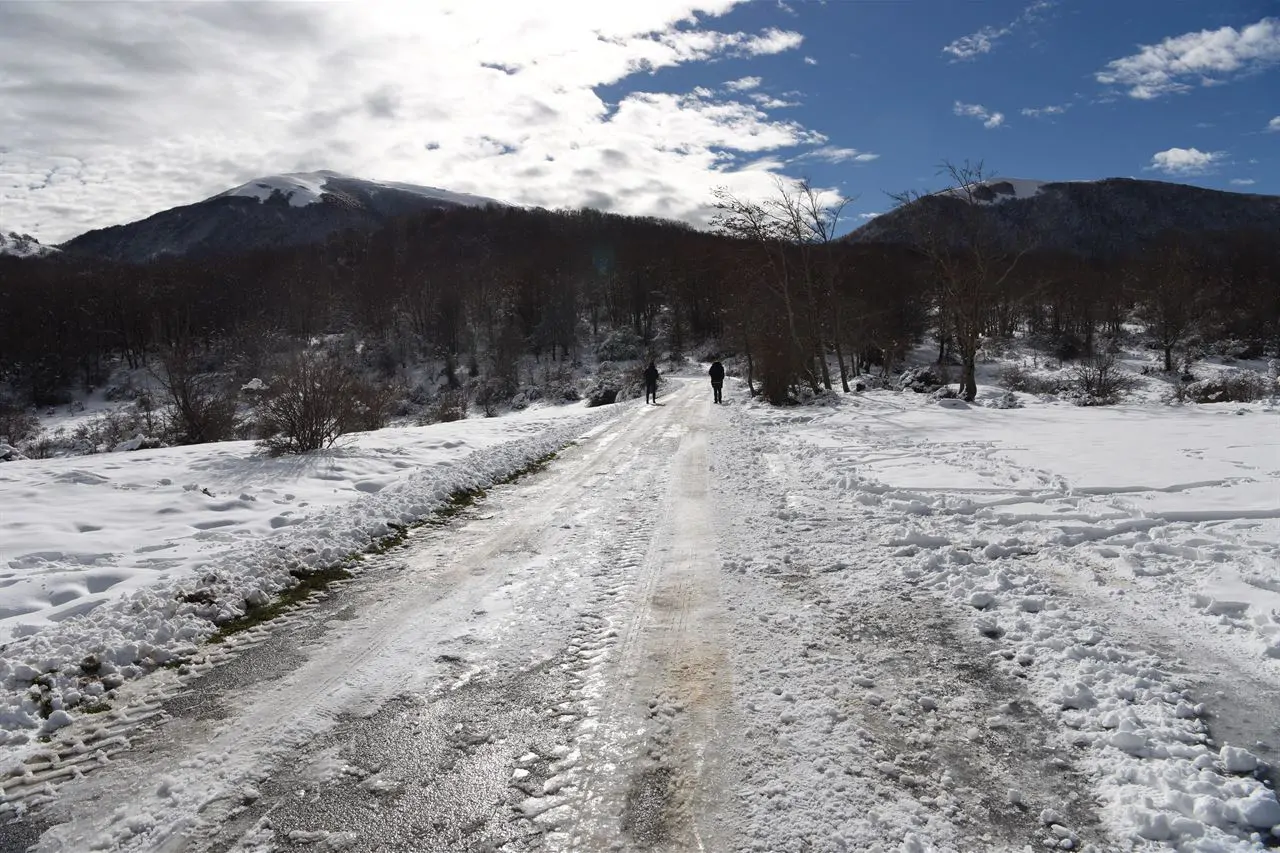
Calabria is the most mountainous region in southern Italy, and anyone who knows it only for its beaches finds that hard to believe. The high ground takes up almost the whole interior and falls into three blocks, separated by two narrow waists: the Pollino in the north, the Sila in the middle, the Aspromonte in the south, with the Coastal Range and the Serre in between.
The Pollino
It is the largest national park in Italy, almost one hundred and ninety thousand hectares straddling Calabria and Basilicata. The highest summit, Serra Dolcedorme, reaches 2,267 metres. This is the country of the Bosnian pine, the tree that grows on bare rock and which the park took as its emblem, and of gorges cut by torrents: the Raganello gorge, above Civita, is the best known.
The Sila
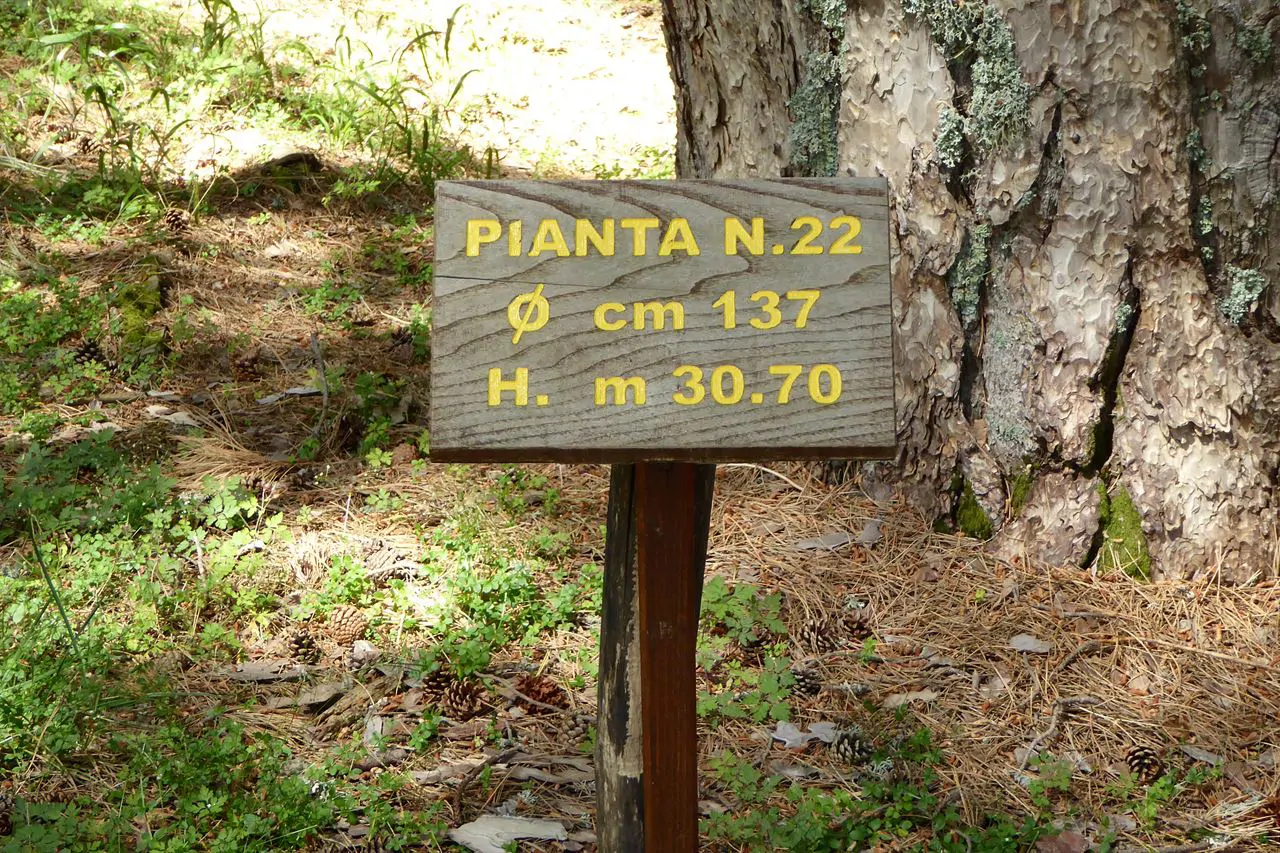
The Sila is not a range but a plateau: a tableland between a thousand and twelve hundred metres, with rounded summits that only just top eighteen hundred. You reach it climbing from Cosenza or from Crotone, and the feeling is of having entered another region, because the Calabrian pine woods, the pastures and the lakes have nothing Mediterranean about them. The three main lakes, Cecita, Arvo and Ampollino, are man-made: they come from dams built between the wars to generate electricity.
The Aspromonte
The Aspromonte is the massif that closes the peninsula, rising to 1,955 metres at Montalto. From the coast it looks like a single wall; climbing it, you find it is made of stacked terraces, of very wide and almost always dry torrent beds, and of villages abandoned after the floods of the twentieth century. From Montalto, on clear days, you can see Etna.
The coasts
Around eight hundred kilometres of coast, spread over two seas. Four stretches are worth telling apart: the Riviera dei Cedri, on the upper Tyrrhenian, where beaches alternate with headlands; the Costa degli Dei, between Pizzo and Nicotera, with the cliffs of Capo Vaticano; the Costa Viola, between Palmi and Villa San Giovanni, where the mountain falls into the Strait; and the long Ionian sweep, from the Gulf of Taranto down to the tip.