
Four days out you can do from a campsite
Not a tour of the region, which would be a week of driving: four days out, each from a different base.
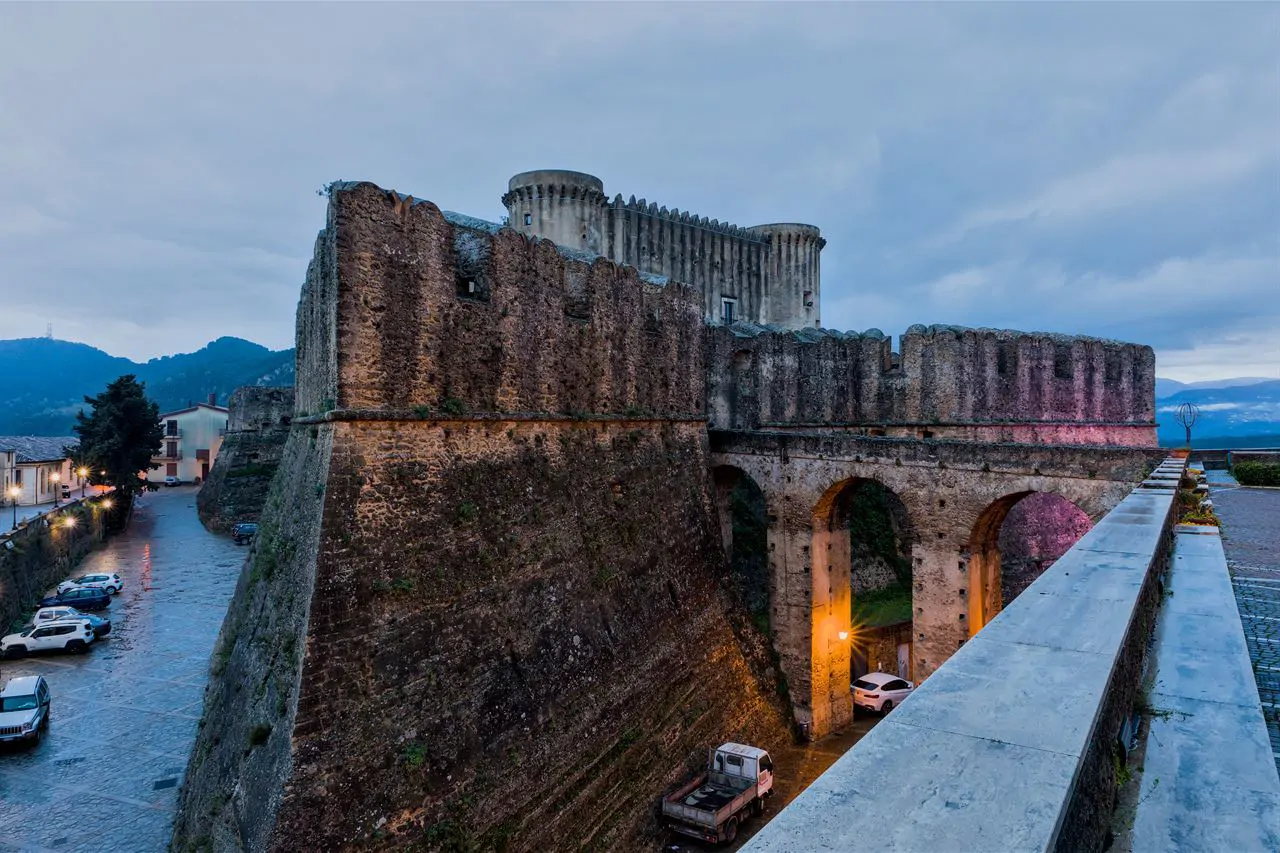
Calabria is too long for a single itinerary. These four are day trips, meant for people with a fixed base: you set off in the morning and come back to sleep where you left the camper. Each one works from a particular stretch of coast, and it says which.
1. Around the Costa degli Dei
Base: between Pizzo and Nicotera. Fifty-five kilometres of coast that take an unhurried day. Start at Pizzo, drop down to Tropea for the old town and the view over Santa Maria dell'Isola, carry on to Capo Vaticano and its coves, and finish at Nicotera looking out at the Aeolian Islands. The road is narrow and slow in summer: better to set off early and stop for a long time in two places rather than five.
2. The Sila in a day
Base: the Ionian coast near Crotone or Cosenza. You climb from the sea and in an hour go from thirty degrees to twenty. The classic round takes in Lake Cecita, the Giants of the Sila reserve with its centuries-old Calabrian pines, and one of the villages on the plateau. Keep this one for the days of hard heat, when the coast is unlivable between noon and four.
3. Magna Graecia on the Ionian
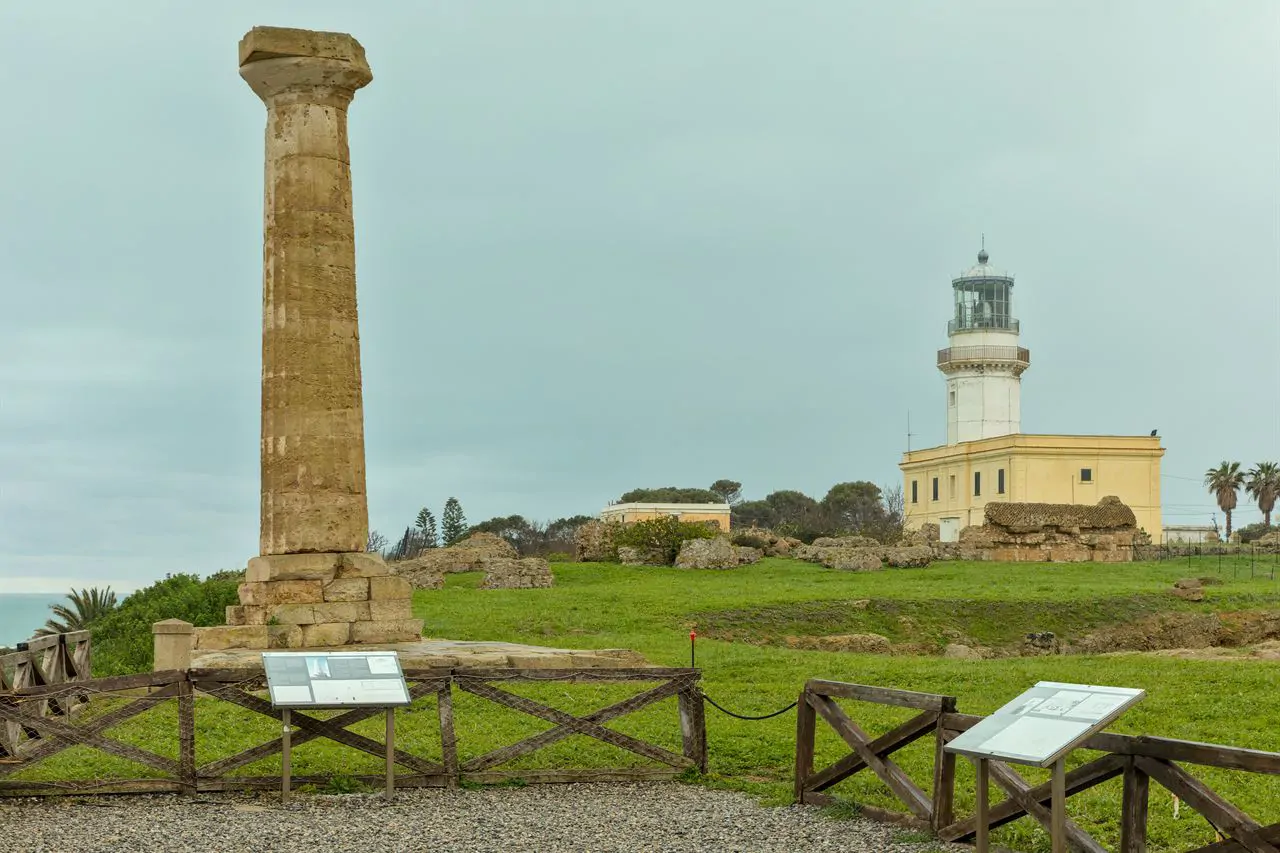
Base: the Ionian coast, between Crotone and Sybaris. A day given over to what is left of the Greek cities. At Capo Colonna, on the headland south of Crotone, a single column of the temple of Hera Lacinia is still standing, and that is enough. To the north, the archaeological park of Sybaris holds three superimposed cities. In between, the archaeological museum of Crotone gathers what the digs have given back.
4. The Strait and the Greek-speaking coast
Base: Reggio Calabria or the Costa Viola. Start at the archaeological museum in Reggio, where the Riace Bronzes are, and carry on to Scilla, which you look at from above before going down to Chianalea, the fishing quarter with its houses in the water. If there is time left, turn inland, where the Greek-speaking villages survive: Bova and Galliciano.